
Subscribe and receive email notifications of new blog posts.
 RSS Feed
- 2026 | 34 Posts
- 2025 | 52 Posts
- 2024 | 47 Posts
- 2023 | 45 Posts
- 2022 | 50 Posts
- 2021 | 54 Posts
- 2020 | 49 Posts
- 2019 | 39 Posts
- 2018 | 30 Posts
27
Keep Cozy in Winter: Consider Adding a Fireplace
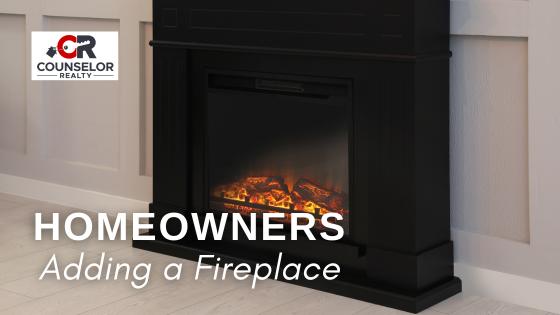
When you buy a house from among Brainerd homes for sale, you will be concerned with keeping warm in winter. A fireplace is the perfect way to supplement your furnace and keep your Minnesota home toasty.
Maybe the home for sale doesn't have a fireplace, but you'd really like one. Is it feasible to install a fireplace? Absolutely.
Where Should the Fireplace Go?
When considering where to install a fireplace, here's what experts recommend:
- Choose the most-used room in the house (except the kitchen). That might be the living room or family room.
- A smaller room, such as a primary bedroom, spare bedroom, or office, will be easier to heat.
- Whatever room you choose, reinforce floor joists.
- If you opt for a direct-vent gas fireplace, you can install it on any exterior wall.
You may need to consult local building codes regarding specifications for fireplaces. Codes may specify the minimum distance between a fireplace and combustible materials.
You may also need to modify house framing so the home will bear the increased weight of the installation, particularly with masonry fireplaces.
What Type of Fireplace Should You Get?
There are many options for fireplaces these days. And though you might yearn for the traditional wood-burning, crackling, and cozy masonry fireplace, other options are safer and less expensive.
- Masonry
These fireplaces typically lose 85 percent of the heat up the chimney. You can improve efficiency by installing a fireplace insert. An insert is a self-contained heating appliance that retains up to 90 percent of the heat generated and uses one-third of the fuel. And by the way, with a wood-burning fireplace, you will need a chimney, which will add to the cost. - Zero Clearance Fireplaces
These are some of the least expensive installations. These lightweight fireplaces are easier to install than masonry types and require less work to accommodate them. Firebox enclosures are always cool, so this type of fireplace can be installed in any room or even over hardwood floors. They can be fueled by propane, natural gas, pellets, or firewood. These fireplaces are typically framed into a wall. They have large fireboxes, so they cannot be inserted into a wall. - Electric Fireplace
These mimic a fireplace that burns wood. You plug the fireplace into the wall, so there is no exhaust to worry about when you're using it. - Gas Logs
Gas logs look like burning wood but without the mess. The "wood" is made of ceramic. - Gas Inserts
Gas-insert fireplaces are typically small and can be inserted just about anywhere. They are a good replacement for a wood-burning fireplace. Gas-burning fireplaces are a nice addition to a home for those times when the power goes out—say, during an ice storm when frozen tree limbs fall on power lines. It's handy to have alternative sources of heating.
If you're thinking of adding a fireplace, a real estate professional can advise you on what type might work in the home you're considering. Call today.